
Where can I rent a porta potty in Lowell?
Right here. As a porta potty rental company that runs its own trucks, Lowell Porta Pros covers the whole city and the towns around it, so whether you are on a job site downtown or running an event by the river, we can reach you. Unlike portable toilet rental companies that broker the work out, we stock the full rental pool: standard units, deluxe flushable units, ADA-accessible restrooms and restroom trailers. If you are outside Lowell, we run to Billerica 9.3 miles southeast and Lawrence 10.4 miles northeast. We also serve Nashua 15.7 miles northwest and Haverhill 20.0 miles northeast. Check the full service area map if your site sits on a town line. Not sure which unit fits? Start with the rental checklist, then request a quote or contact us and we will size it with you. Placement in a public right of way needs confirming with the City of Lowell first.
What does porta potty rental cost in Lowell?
Portable toilet rental cost depends on the unit and how long you keep it. A standard porta potty is the cheapest option; a restroom trailer sits at the top of portable toilet rental costs. Here is the short version, with the full cost breakdown on its own page.
| Unit | Day | Week | Month |
|---|---|---|---|
| Standard | 100-350 | 130-500 | 125-325 |
| Deluxe flushable | 85-1200 | 150-290 | - |
| ADA-accessible | 200-400 | 120-240 | - |
| Storage container | - | - | 100-250 |
Delivery is billed separately, roughly 100 to 500 dollars depending on distance and access. A weekend standard unit is usually quoted around 250 dollars. Want per-day pricing or a monthly rate spelled out? Both have dedicated pages. For dumpster and trailer costs, see those too. Every figure here is a real market price for portable toilet rental, not a guess, so ask for a quote tied to your actual dates.
How fast can you deliver a porta potty?
Most Lowell orders land within one business day, and same-day is often doable if you call early. Emergency porta potty and emergency septic service move faster when a site loses a unit or a tank backs up. We need two things from you: where the unit goes and how the truck gets to it. A standard unit is about 44 by 48 inches on the ground and stands about 92 inches tall, so the drop spot has to clear that. If we are bringing a roll-off dumpster on the same trip, the truck needs about 60 feet of straight clearance behind it to set the box down. The placement guide walks through ground surface, overhead lines and access width. For a construction site, tell us the crew count so we bring enough units. For a wedding or festival, tell us peak headcount and hours. Read how porta potties work if you want the mechanics first.
Which porta potty unit is right for me?
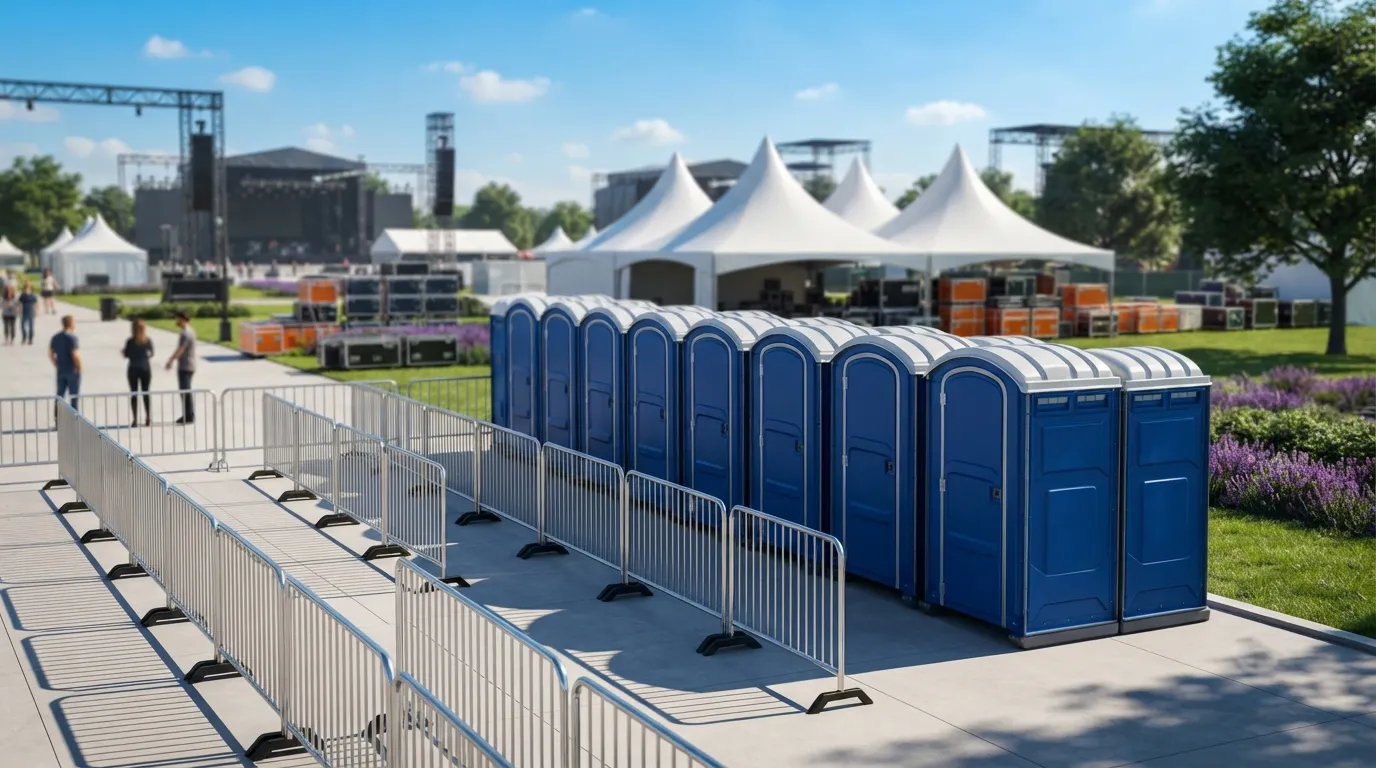
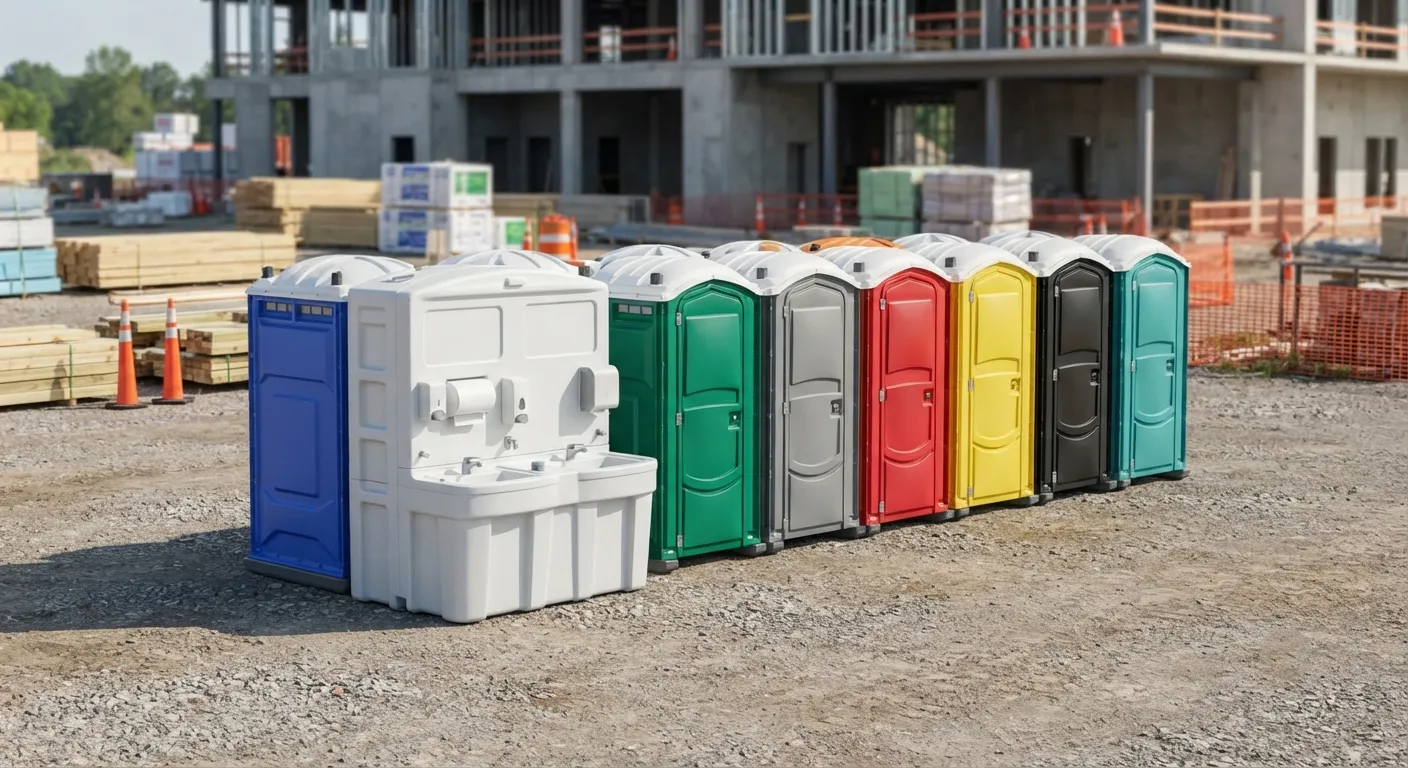
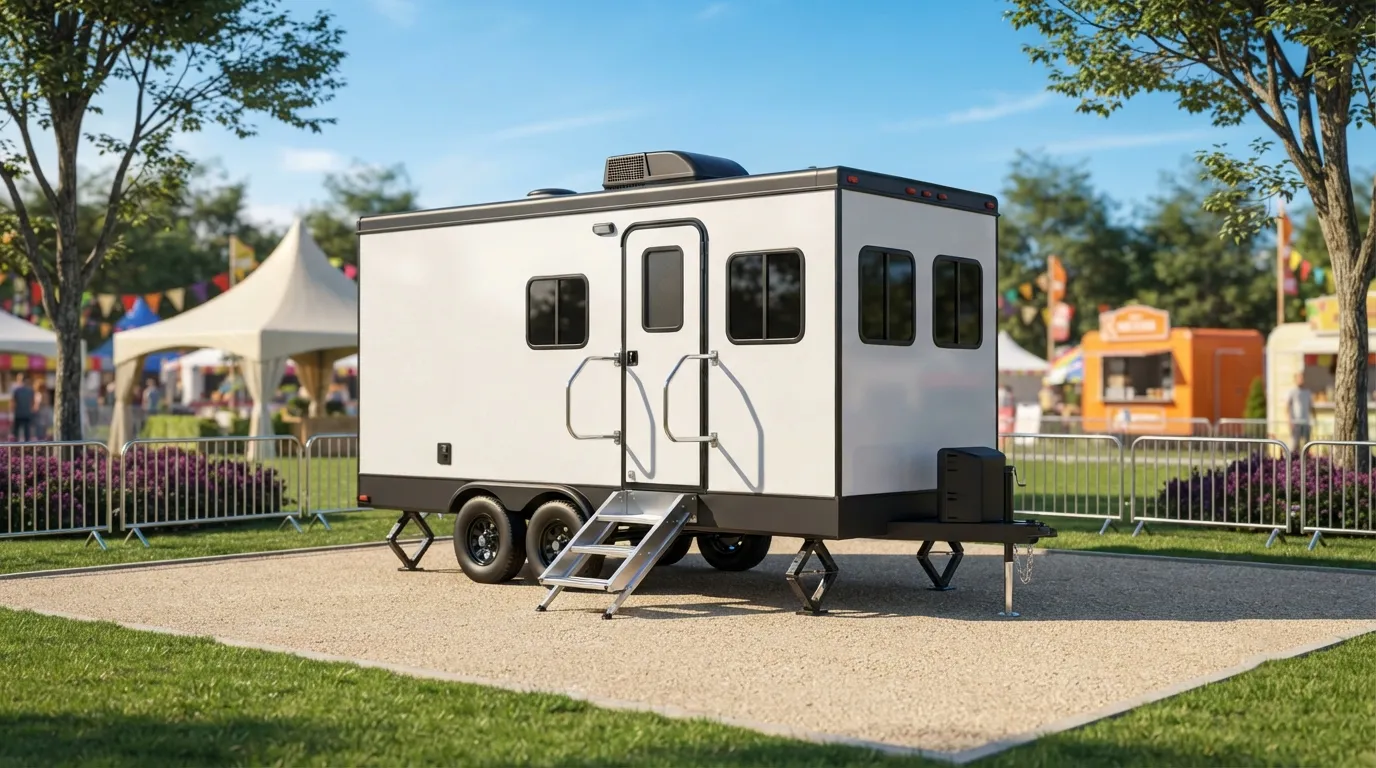
Four main types, four jobs. The standard unit is the workhorse for construction and home renovation, with a 60 to 70 gallon holding tank. The deluxe flushable unit adds a foot-pump flush and a sink, which suits outdoor weddings and longer bookings. The ADA-accessible unit meets ADA Standards section 404.2.3 with a 32 inch minimum clear door opening and the 60 inch turning circle from ADA Standards section 304.3.1, so wheelchair users get in and turn around. Where single units are grouped, ADA Standards section 213.2 says at least 5 percent, and never fewer than one, must be accessible. For upscale events, a restroom trailer gives running water and climate control across 2, 4 or 8 stalls. Some folks call the basic box a porta john or a portable restroom; same thing. If you need a shower on site, we rent a shower trailer too.
How many porta potties do I need for a job site?
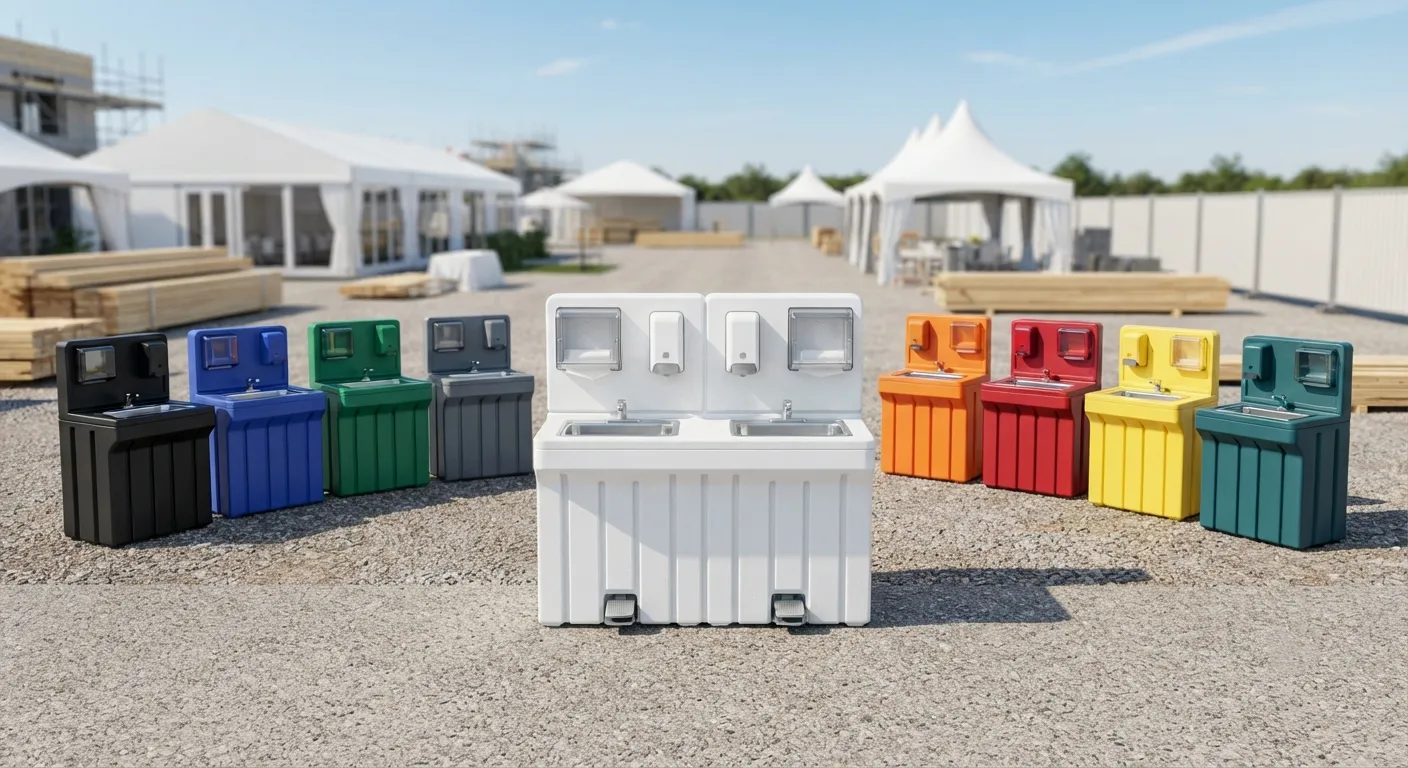
OSHA sets the floor. Under 1926.51(c)(1), a construction site with 20 workers or fewer needs 1 toilet facility; from 20 up you add a toilet seat and a urinal per 40 workers, and at 200 or more the ratio moves to one per 50. That is the count to plan a construction site setup around, and the OSHA requirements page breaks it down further. For a weekly service baseline, ANSI/PSAI Z4.3 treats one visit per week as standard for up to 10 users over a 40 hour week. Crews of more than 10, or units getting hammered, need service twice a week. Use our how many do I need calculator for a headcount estimate, and pair units with a handwashing station so the crew can clean up. For farm crews, OSHA 1928.110 calls for one facility per 20 hand-labor employees within a quarter-mile walk; see farm and agricultural restrooms. More on event counts too.
Do porta potties need handwashing and water?
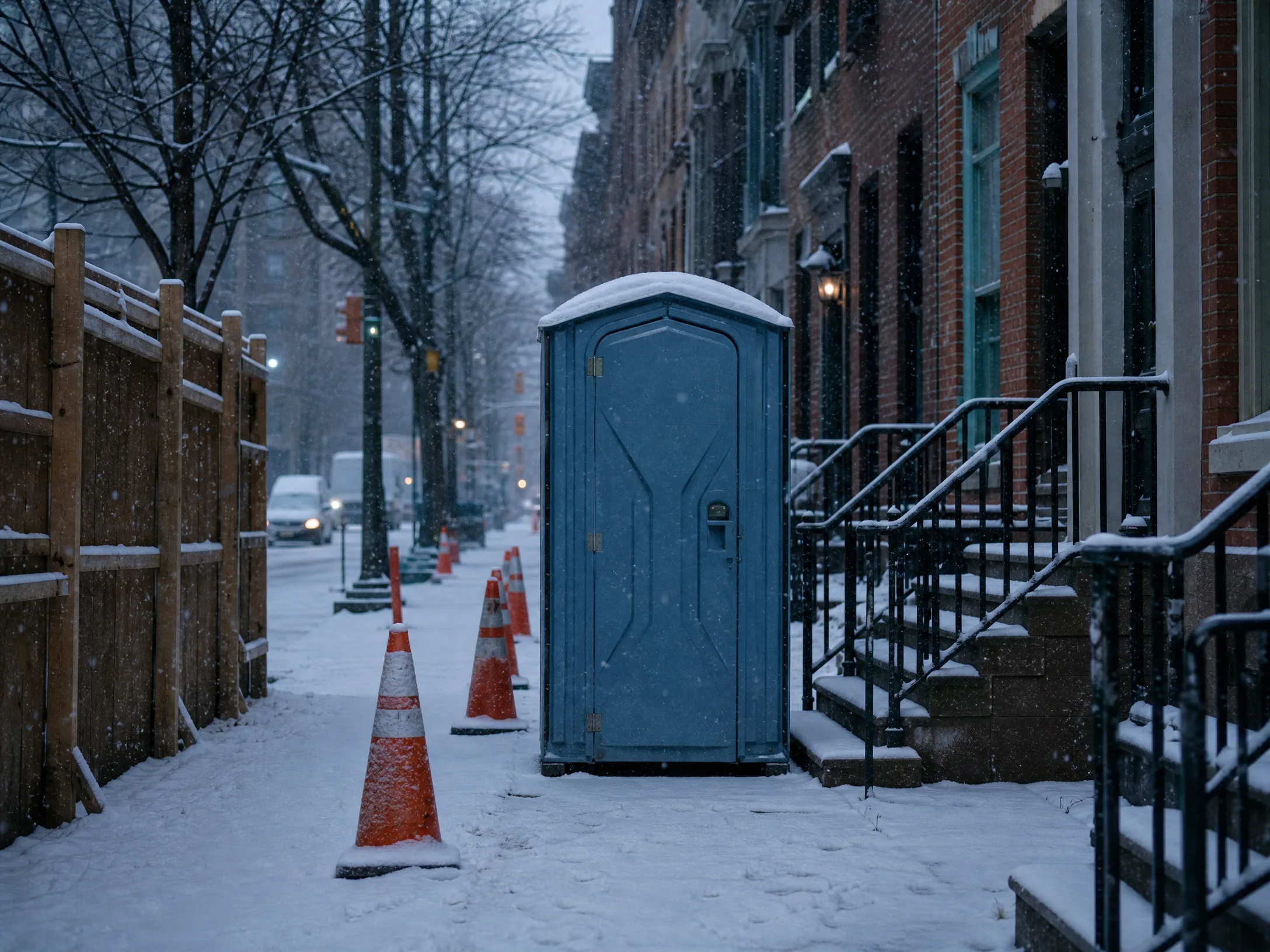
Often, yes. OSHA 1926.51(a)(1) requires an adequate supply of potable water at every place of employment, and where your crew is applying paints, coatings, herbicides or insecticides, 1926.51(f)(1) requires washing facilities for those contaminants. A portable sink or handwashing station covers that. Under 29 CFR 1910.141(d)(2), a compliant washing station needs soap and towels or a drying device, and hand sanitizer alone does not satisfy it, so a sanitizer station is a supplement, not a replacement. The handwashing requirements page spells out what counts. For events serving food, a sink beside the restroom trailer keeps lines moving and guests happy. General industry sites, meaning non-construction workplaces, follow the toilet ratios in OSHA 1910.141(c)(1)(i) instead. If you are unsure which rule applies to your project, contact us and we will sort the setup with you before delivery.
How does service and pickup work?
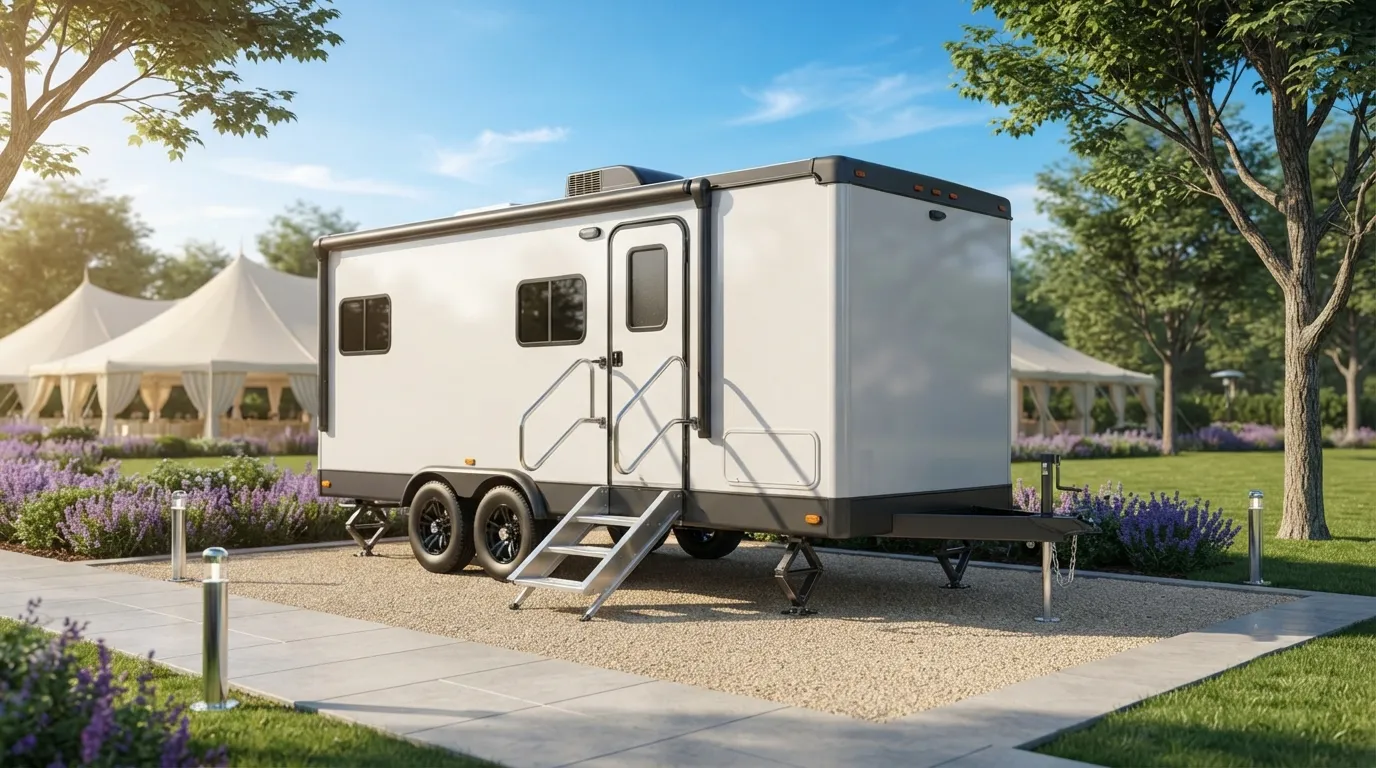
Simple. We deliver, we service on a schedule, we pick up when you are done. Service means we pump the tank, refill supplies and sanitize the unit. One visit a week is the ANSI/PSAI Z4.3 baseline for up to 10 users, and we scale from there. Curious what a service visit involves? Read how often porta potties are cleaned and do porta potties smell. If you already have a septic system on site, we also handle tank pumping and cleaning: a residential tank is typically pumped every 3 to 5 years depending on tank and household size, covered on how often to pump. Watch for warning signs between visits. Restaurants with a grease trap get pumped once fats, oils, grease and solids hit 25 percent of the liquid depth. Winter changes the routine a little; the porta potty in winter page explains freeze prevention here in Lowell.
What else can you bring to the site?
More than toilets. We rent roll-off dumpsters in 10, 20, 30 and 40 yard sizes, with dimensions and weight limits laid out so you order the right box. Some materials are banned, listed on what cannot go in a dumpster, and a street placement may need a permit per dumpster permit requirements. We also supply temporary fencing, including chain link and crowd control barriers, plus storage containers in 20ft and 40ft and a mobile office trailer for the site super. For lighting and power, see light towers and temporary power poles. One vendor for the whole Lowell site keeps scheduling clean. Planning a marathon, concert or county fair? We handle those, plus film sets, golf tournaments, camping, holding tanks and disaster relief.
Frequently Asked Questions
How much does a standard porta potty cost per day?
A standard porta potty in Lowell runs from about 100 dollars on the low end to 350 at the high end per day, with most jobs landing near the middle. Longer bookings shift you to a weekly or monthly rate, which lowers the daily average.
Do I need a permit to place a porta potty in Lowell?
On private property, usually not. Placement in a public right of way, like a street or sidewalk, needs confirming with the City of Lowell before we deliver. We do not guess at local rules. The permit requirements page covers what to ask, and we help you plan placement.
How often do you service a rented unit?
The ANSI/PSAI Z4.3 baseline is one visit per week for up to 10 users over a 40 hour week. Heavy use or larger crews get service twice a week. Each visit pumps the 60 to 70 gallon tank, restocks supplies and sanitizes. See how often units are cleaned.
Can you deliver same day in Lowell?
Often, yes, if you call early. Most orders arrive within one business day. For a lost unit or a backed-up tank, our emergency service moves faster. Tell us the exact drop spot and access so the truck is not turned around at the gate.
What size holding tank does a standard unit have?
A standard unit holds 60 to 70 gallons, enough for a small crew for a week between services. The box measures about 44 by 48 inches on the ground and stands roughly 92 inches tall, so plan clearance overhead. Read how porta potties work for the full picture.
Which unit works best for a wedding?
A deluxe flushable unit or a luxury restroom trailer suits weddings, with running water and a cleaner feel than a basic box. Trailers come in 2 and 4 stall layouts. Pair either with a handwashing station. See wedding restroom rental for setup.
Do you serve towns outside Lowell?
Yes. We run to Billerica 9.3 miles southeast, Lawrence 10.4 miles northeast, Nashua 15.7 miles northwest, Haverhill 20.0 miles northeast and Somerville 24.1 miles southeast. Check the service areas page or our story.
Next step
Get a delivery date
Tell us the address, the dates and the headcount. We size the order and confirm the route.